Finding an affordable cleaning service in New York City that actually does the job well can feel like hunting for a needle in a good-sized haystack. Prices swing wildly between neighborhoods, advertised hourly rates hide add-on fees, and the smell of promise often fades once a crew leaves. Still, affordable and excellent are not mutually exclusive. With a little knowledge, realistic expectations, and straightforward questions, you can get cleaning services in NYC that keep your space healthy and presentable without bleeding your budget.
Why price and quality diverge Rent, wages, and insurance cost more in New York than in most of the country. A cleaning team that pays fair wages, carries proper insurance, and buys reliable supplies has to reflect those costs in its rates. That creates a spectrum where the very cheapest offerings are often solo operators working off the books, and the highest-priced firms sell guarantees and management overhead. In practice, the center of the spectrum contains many viable, responsible providers — including local companies like Impeccable Cleaning NYC — that balance cost and care. The trick is recognizing which items on an estimate represent real value, and which are just noise.
What affordable should mean Affordable does not mean cutting corners. It should mean paying only for services that match your priorities, avoiding one-off fees that add up, and selecting a provider with transparent pricing and dependable standards. For an apartment, affordable might be a biweekly cleaning that focuses on high-traffic areas rather than a full deep clean every visit. For a small office, affordable could mean nightly maintenance of common areas and weekly focused attention to desks and restrooms, rather than daily full-surface scrubs.
How pricing usually works in NYC Hourly, flat-rate, and per-room pricing are all common. Hourly works best when rooms vary in size and condition; flat-rate is convenient for recurring visits once the scope is known. Per-room pricing hides complexity, because a "bedroom" in Manhattan can be 120 square feet or 400 square feet with a lot more furnishings to manage. Expect to see a base rate for travel, a minimum charge for short visits, and additional fees for specialties like oven cleaning, deep carpet extraction, or move-out cleaning. Ask the company to break the estimate into labor, supplies, and fees so you can compare apples to apples.
A realistic baseline: what you should expect to pay Prices fluctuate, but as a general guide for Manhattan and close boroughs: an average weekly or biweekly standard apartment cleaning from a reputable company often falls in the range of $80 to $200 per visit depending on size and scope. For small commercial spaces, contract cleaning commonly ranges from a few hundred to a few thousand dollars per month, depending on frequency and square footage. If a price is markedly below these ranges, dig deeper to understand who will arrive, what insurance they carry, and whether the company provides replacements if the cleaner is sick or quits.

How to keep costs down without sacrificing results Savings come from smarter scope, predictable scheduling, and realistic standards. If you are willing to do small maintenance tasks between visits, you can reduce the scope and the bill. For example, emptying the dishwasher, wiping counters after meals, or taking out trash reduces the hourly time cleaners need. Contracting for regular visits — weekly or biweekly — often cuts the per-visit cost versus ad hoc calls. Treat especially expensive jobs, like mold remediation or carpet shampooing, as one-time projects handled by specialists, not routine cleanings.
Questions to ask any provider A short, direct conversation can reveal whether a company is trustworthy and cost-effective. Ask if they are licensed and insured, whether they run background https://privatebin.net/?e97808f803bd30c2#3cbMZCWBdPdR6AtaMvZzpJubanTChhJqVbcHJyJccpBQ checks, and how they handle staffing shortages. Ask how pricing works for recurring contracts and what fees are charged for add-ons. Request references or look for recent reviews that mention reliability and thoroughness. A reputable Commercial Cleaning Company will welcome these questions and provide clear answers rather than vague reassurances.
When to hire a Commercial Cleaning Company vs an independent cleaner Independent cleaners sometimes offer lower rates, but there are trade-offs. An agency-backed Commercial Cleaning Company provides consistency, training, backup staff, and liability coverage. If you run a small business, professional cleaning is not just about aesthetics, it is about safety, compliance, and client perception. A single missed clean by a chain of independent cleaners can impact your reputation. Conversely, if you need a quick, inexpensive touch-up for a studio apartment, an independent cleaner who has solid local reviews might be the most efficient choice.
A checklist for evaluating value Use the short checklist below when comparing quotes. Run these points by any company before you sign a contract.
- confirm insurance and bonding, because property damage and liability risks are real in NYC ask about staff continuity and training, not just turnover statistics request a detailed estimate that separates labor, supplies, and one-time fees verify cancellation and replacement policies so you are not left exposed check a few recent client references or neighborhood reviews for punctuality and thoroughness
What to expect during the first few visits The first cleaning is often the most time-consuming because it reduces accumulated soil. A good company will be upfront, suggesting a first deep clean followed by a maintenance schedule. Expect that timing will stabilize after two or three visits. Track a couple of simple metrics for the first month: whether key surfaces and high-use areas are consistently attended to, whether cleaners arrive on time, and whether management responds promptly to corrections. If a provider repeatedly misses basic items, that is a sign of poor supervision rather than a one-off slip.

Trade-offs and edge cases Cheap does not always mean bad, and expensive is not always better. Here are a few realistic trade-offs you might face. If you choose the lowest possible price, expect higher turnover, less oversight, and occasional inconsistency. If you prefer steady crews and a manager who visits periodically, prepare to pay a premium. Some neighborhoods have fewer options; in those cases, travel charges and minimums will increase the effective hourly rate. Large, densely furnished apartments require more time and care; small price differences amplify across many hours. Finally, specialty surfaces like antique marble or commercial-grade stainless steel need specific products and techniques, and those should be priced separately.
Real examples from the field I once managed cleaning contracts for a small tech office in Chelsea. We tried a solo cleaner to save costs. For a month everything looked fine until she fell ill and there was no backup. We missed two weeks of attention to restrooms and common areas. When we switched to a local company that offered a backup team and a site supervisor, the monthly bill rose by roughly 15 percent, but complaints dropped to zero and the office manager could focus on other tasks. That 15 percent paid for peace of mind.
Another example, a Brooklyn renter hired a budget cleaner at about half the typical rate. At the start the place looked fine, but glass streaks, corners, and baseboards were consistently skipped. The renter negotiated with a reputable firm, agreeing to biweekly standard cleans plus a quarterly deep clean. The combined cost was similar to the cheap cleaner over the year, but the finish quality and reliability improved dramatically.
Negotiation strategies that work Start by asking for a simple package: specify exactly what you need and what you will do between visits. If you commit to recurring visits, ask for a multi-month discount. Request a trial period with a satisfaction clause that allows adjustments after the first two visits. For commercial clients, ask about bundling services like floor care, window washing, and janitorial supplies under a single contract; vendors often reduce administrative overhead when they handle multiple services.
How to use reviews and referrals intelligently Reviews are useful but they can mislead. Look for patterns rather than one-off comments. Multiple complaints about the same issue, such as cleaners leaving early or failing to clean restrooms, signal a systemic problem. Personal referrals from neighbors or businesses in your building are especially valuable because they reflect local conditions: elevator delay times, storage access, and building rules. If a company like Impeccable Cleaning NYC has positive referrals from people in your neighborhood, that carries weight.
Protecting your space and budget in the contract Ensure the contract includes a clear scope, frequency, pricing, and a clause covering damage and replacement. If supplies are included, specify brands or product types if you have preferences, for instance eco-friendly cleaners. A termination clause with a reasonable notice period protects both parties. For commercial agreements, include performance metrics, such as response time for emergency clean-ups and rectification windows for missed tasks.
Green cleaning and cost considerations Eco-friendly products sometimes cost more, but they reduce chemical exposure and can be a selling point for clients and tenants. The cost difference is often modest if you prioritize. Ask whether the company subscribes to standards such as Green Seal or uses EPA Safer Choice products. Some firms will offer a hybrid approach: green cleaners for most surfaces and stronger agents only where needed. That reduces cost while addressing health and environmental concerns.
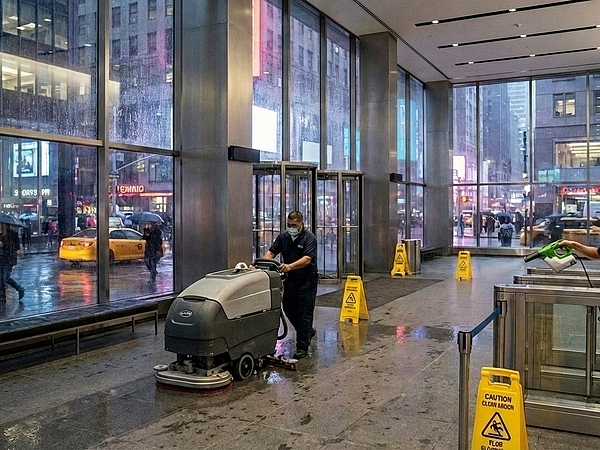
Why clarity beats price alone In a city where reputation matters, clear communication and reliable service are worth paying for. Affordable cleaning services in NYC that maintain quality do so by being transparent about price drivers and by offering predictable scheduling and measurable standards. When a company tells you exactly what is included, provides a competitive but fair price, and backs its work with insurance and references, you are far more likely to avoid surprise bills and poor results.
Final practical steps Call two or three providers, ask for written estimates, and schedule trial visits. Start with a narrowly defined scope and expand if you are satisfied. Keep a simple checklist for the first month so you can objectively evaluate performance. If you run a business, treat cleaning as part of your brand presentation; a small investment in a dependable Commercial Cleaning Company often repays itself in client impressions and staff satisfaction.
Affordable cleaning in NYC is not a roll of the dice. With targeted questions, realistic expectations, and a focus on clear scope rather than the lowest number, you can hire cleaning services NYC that respect your space and your budget. Companies such as Impeccable Cleaning NYC represent the middle ground I look for: transparent pricing, trained staff, and the willingness to back work with guarantees. Choose a partner that understands the city logistics, communicates well, and tailors services to what matters most to you.
Impeccable Cleaning NYC
130 Jane St Apt 1F, New York, NY 10014
+1 (347) 483-3992
[email protected]
Website: https://www.impeccablecleaningnyc.com/